
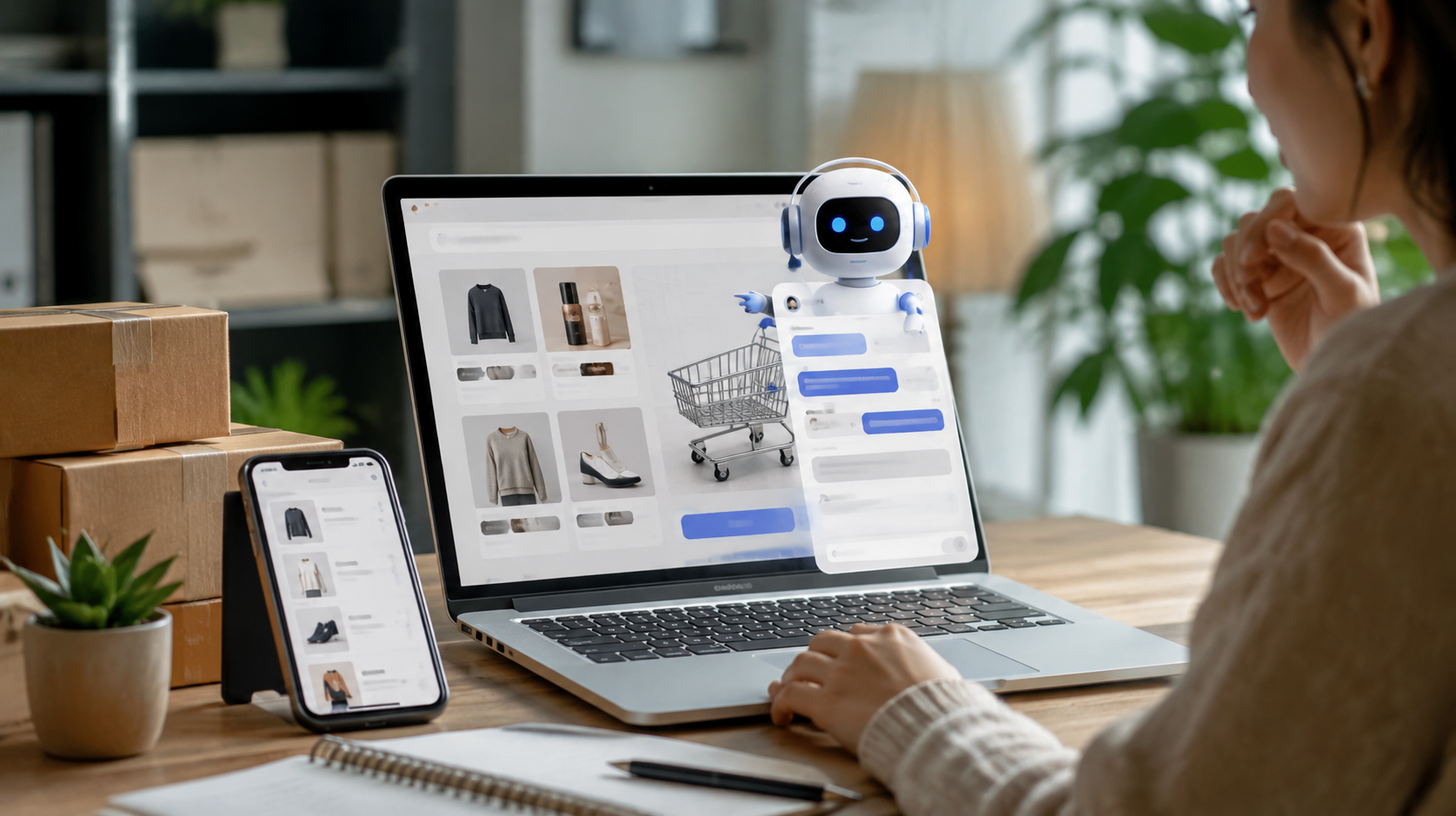
Online shoppers rarely leave because they suddenly stop wanting the product. More often, something interrupts the decision: a missing size detail, unclear delivery terms, too many similar options, or a question that appears right before checkout. The product itself can be almost anything — running shoes, specialty coffee, garant pouches, or a phone case. What matters is whether the shopper can get the missing answer without breaking their buying flow. A well-placed chatbot can close that gap before hesitation turns into an abandoned cart.
Chatbots make product discovery faster
A good e-commerce chatbot works like a sales assistant who is available whenever the customer needs help. Instead of forcing shoppers to search through filters and product pages, it can ask a few simple questions and narrow the choice.
A customer might type, “I need a laptop for video editing under $1,500.” The chatbot can suggest relevant models, explain the main differences, and point out useful accessories. This shortens the path from “I’m just looking” to “this one fits my needs.”
Modern AI-powered chatbots understand natural language better than older rule-based bots. They can handle open questions, different wording, and common typos. They still need accurate product data so they do not guess.
Chatbots answer buying questions at the right moment
Many purchase decisions depend on small details: shipping time, return rules, stock, sizing, payment methods, or warranty terms. If the answer is hard to find, the shopper may open another store instead.
A chatbot can answer these questions inside the shopping flow. The customer does not need to search a help center or wait for an agent. Simple requests can be handled at once. Unusual or sensitive cases should move to a human.
That handoff matters. Customers want useful automation, but they also want access to a person when the problem gets complicated.
Chatbots can reduce checkout friction
Checkout is one of the most fragile parts of an online sale. A customer may have doubts about delivery, a promo code, payment, or product compatibility. A chatbot can step in before that uncertainty becomes an abandoned cart.
It can explain a promotion, answer a last-minute question, remind the shopper what is in the cart, or suggest a related item. Some systems can also re-engage customers through messaging channels after they leave the site.
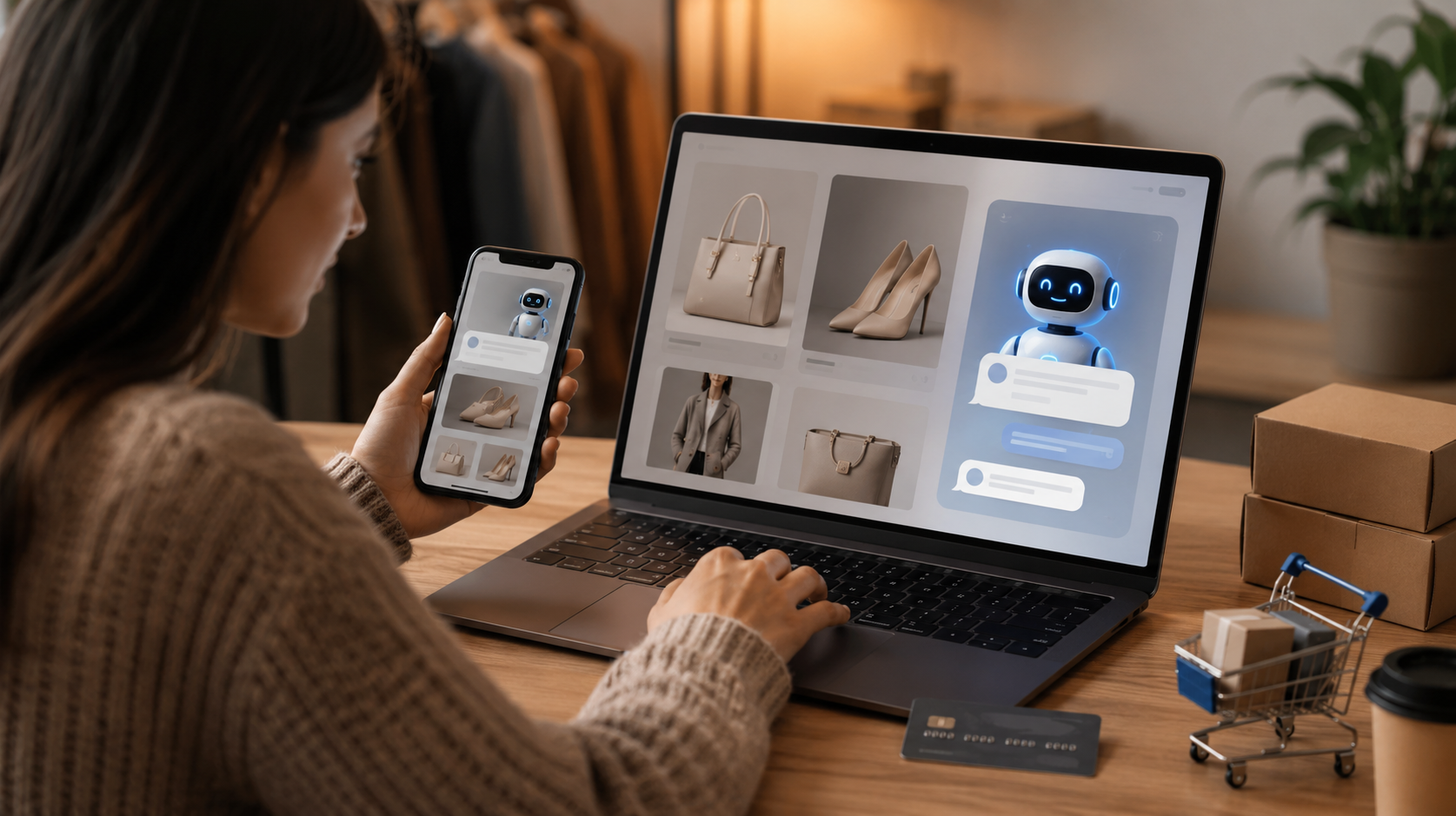
The goal is not to push harder. It is to remove the reason the customer stopped.
Chatbots support sales after the purchase
The sales journey does not end when payment is complete. Customers still want to know where the order is, when it will arrive, and how to return or exchange an item.
Chatbots can handle routine post-purchase questions and provide order updates without making customers search through emails. This reduces repetitive support work and keeps the experience consistent.
Chatbots reveal useful sales signals
Every chatbot conversation can show what shoppers are struggling with. Repeated questions about sizing may mean a product page is unclear. Frequent delivery questions may point to missing shipping information. Requests for out-of-stock products can help teams spot demand.
In higher-value sales, chatbots can also qualify leads. They can collect basic information, identify the shopper’s needs, and route the conversation to the right salesperson.
What makes a sales chatbot work
The biggest mistake is treating a chatbot as a clever layer on top of weak data. Even a strong AI model will give poor answers if product details, prices, policies, or inventory data are outdated.
Successful chatbots need a clear job, a reliable knowledge base, sensible conversation flows, and an easy path to human support. Teams should track whether the bot improves conversion, resolves questions, and reduces customer effort.
The newest shift is from chatbots that mainly answer questions to AI agents that can complete actions across systems. For online sellers, the principle stays simple: automate the parts that make buying easier, but keep human judgment available where it matters.
A chatbot supports online sales best when customers barely notice the technology. They simply find the right product faster, get an answer when they need it, and complete the purchase with less effort.