

Live casino dealers are vital to the gaming industry, connecting with players, ensuring fair play, and creating a classic casino atmosphere. They add a human touch that enhances the table game experience.
Across the online gaming sector, a variety of platforms — from major international operators to services such as Letsgocasino — highlight the continuing appeal of live dealer formats, which help bridge the gap between traditional casino environments and modern digital entertainment.
Player interaction and experience
Live dealers interact with players by answering questions, explaining rules, and guiding newcomers. This engagement builds trust and makes gambling feel more personal. Dealers often greet regulars by name, and players can communicate via live chat, turning each round into a social activity. This personal connection is a key reason many players prefer live tables over automated games.
Game integrity and trust
A human dealer manages cards and spins roulette wheels, with each session streamed live. This transparency assures players that the games are fair and outcomes are random. Real dealers can also resolve disputes on the spot. The human element helps enforce rules and promotes fair play.
Human-led casino atmosphere
Dealers help set the casino’s tone with their professionalism and personality, recalling the traditional casino experience. The way dealers react to wins and losses adds an emotional depth that automated games often cannot match.
Their energy influences the table’s mood, and the sounds of shuffling cards and casual conversation create an engaging setting that is difficult to replicate with software alone. This human element remains a key attraction across many online gaming platforms, whether players prefer large international operators, regional brands, or options such as Let’s Go Casino, all of which contribute to the variety of live gaming experiences available today.
Advancements in casino robotics
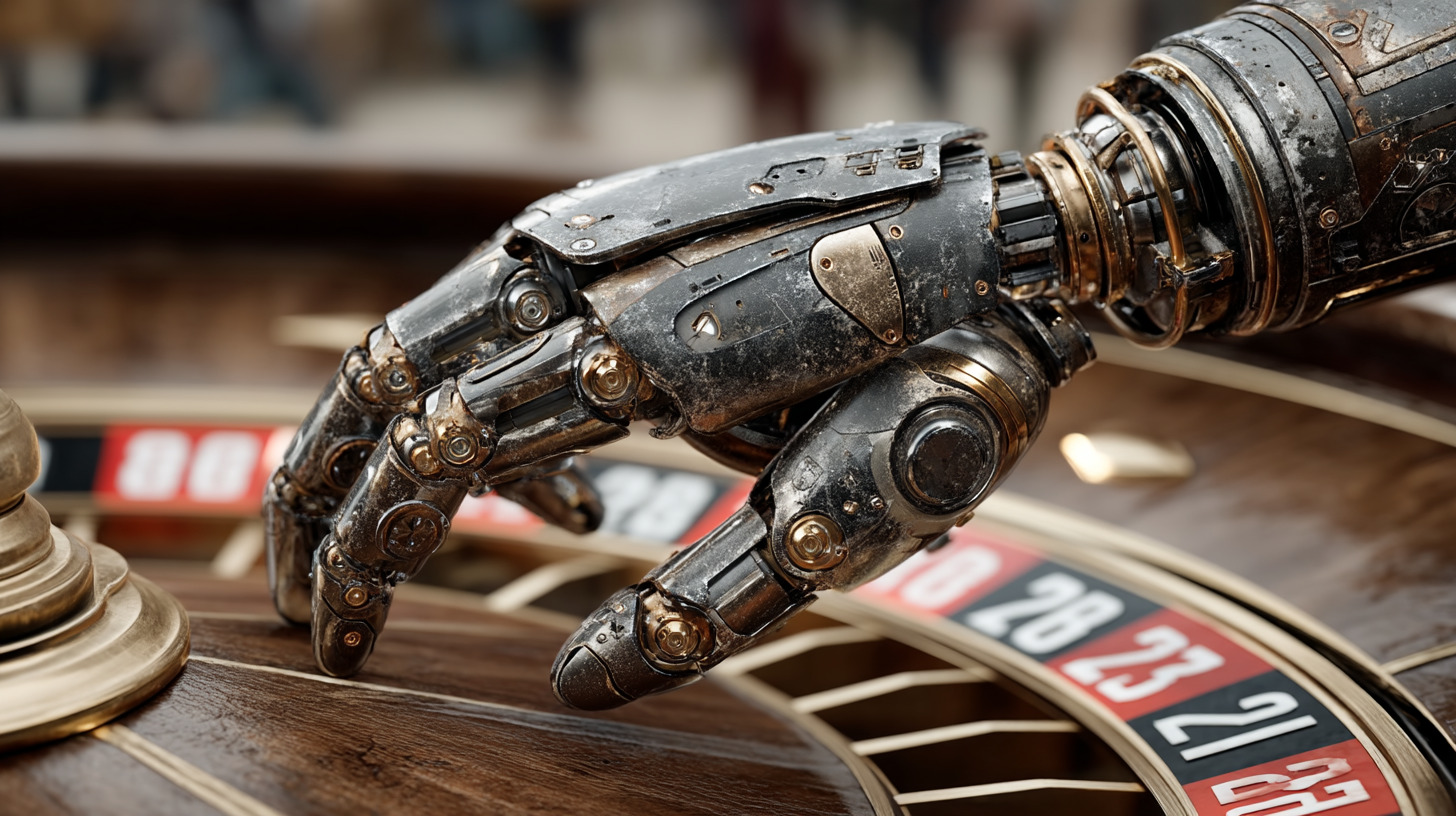
Robots are playing a larger role in casinos as technology improves. Many establishments use automation to boost service, reduce errors, and ensure fair play.
Automation technology in gaming
Automation is changing casino operations. Machines can now shuffle and deal cards, spin roulette wheels, and manage chips with accuracy. Robotic croupiers can handle games 24/7 without fatigue, reducing wait times. As this technology improves, its use will likely grow.
Artificial intelligence in dealer roles
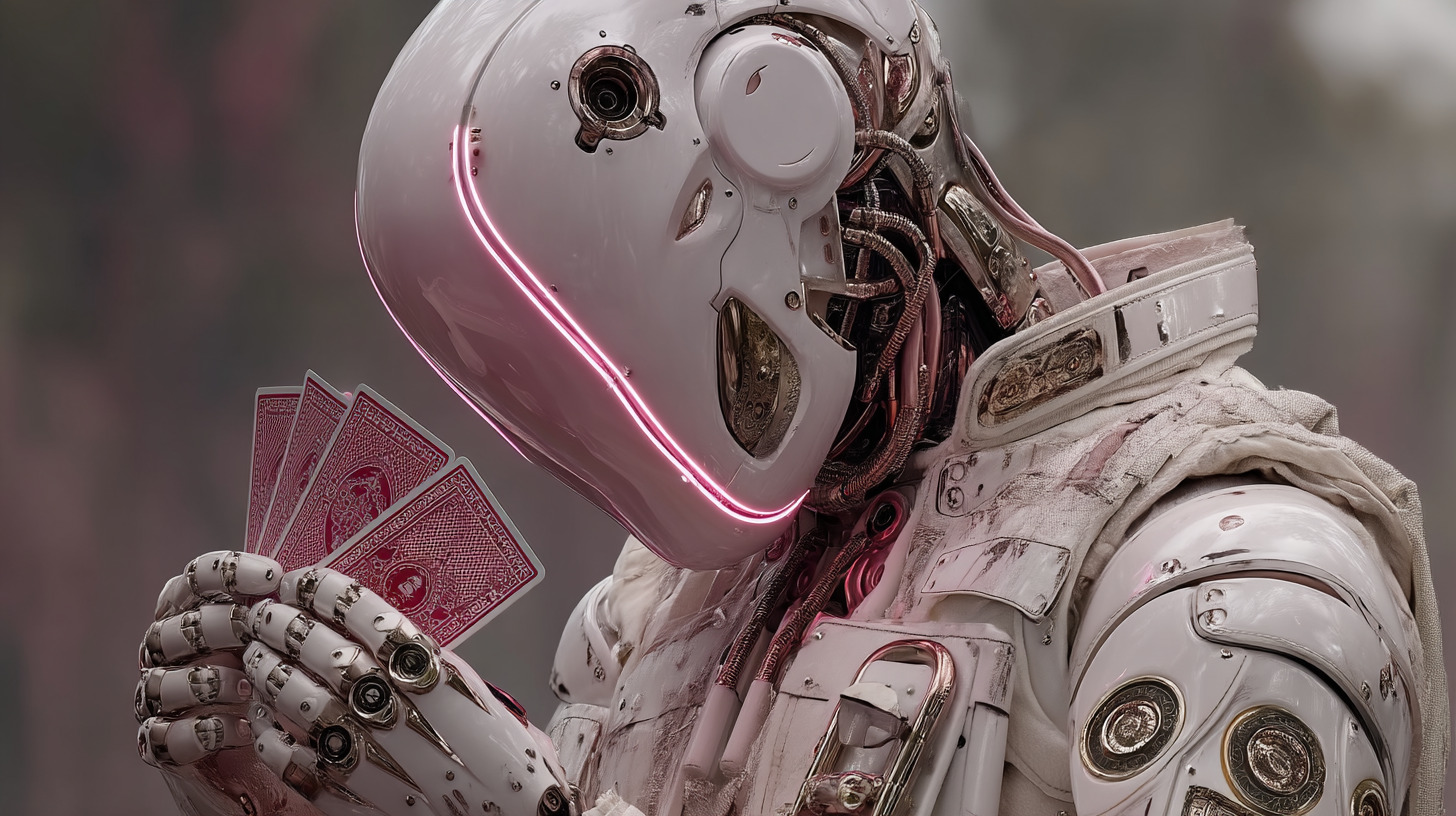
AI adds another layer to robotic dealers, with the ability to recognize faces, read body language, and detect cheating or mistakes a person might miss. An AI dealer can offer a fair and secure gaming environment.
AI can also interact with players by answering questions, helping newcomers feel more comfortable. While humans have unique social skills, AI-driven robots make fewer errors in dealing or payouts, improving trust.
Current limitations of robotic dealers
Despite advances, robots struggle to replicate the social atmosphere human dealers provide. Robotic systems can also malfunction or require frequent updates, disrupting games. Some players are wary of trusting a machine with their money, especially when glitches occur.
While robotic dealers can eliminate human error, most experts agree they haven’t fully replaced people, largely due to customer preference for human interaction.
Potential impacts of replacing live dealers
Switching from human dealers to robots could significantly change the casino experience, affecting game operations and player engagement.
Effects on player engagement
Robots offer consistency and speed but lack the personal interaction many players value. Human dealers create a welcoming atmosphere with conversation and humor. If robots replace them, some players may find the experience less enjoyable. Others, however, might prefer the privacy and focus that robots offer.
Operational efficiency
Robots and AI can deal cards and process bets much faster than humans. They don’t need breaks and can run games around the clock, increasing the number of hands played per hour. Automated systems also save on labor costs and reduce human errors. However, implementing and maintaining this technology requires a significant investment.
Job displacement and workforce dynamics
A major concern is job loss for live dealers. If automation becomes standard, casinos may need fewer human employees. While some roles might shift to supervising robotics, many positions could become obsolete. The transition may also require new training programs to prepare workers for a more automated environment.
Regulatory and ethical challenges
Robotics and AI introduce new questions for regulators. Rules must be updated to address the fairness, transparency, and data security of automated games. Casinos must ensure their AI systems are unbiased and that player data is secure. Regulators and operators will need to continuously update standards as this technology evolves.